Why Transition Matters
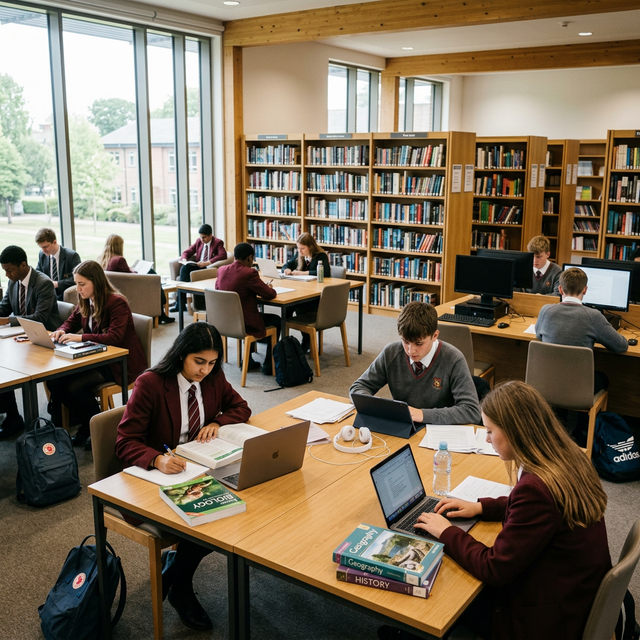
The move from primary to secondary school is one of the most significant transitions in a child's life. They go from being the oldest and most confident in one environment to being the youngest and most uncertain in another. They face:
- A much larger school with hundreds (sometimes thousands) of pupils
- Multiple teachers instead of one
- Moving between classrooms for different subjects
- A new timetable to navigate
- New friendships to build
- Greater independence and responsibility
Most children adapt beautifully within the first few weeks. But preparation makes a real difference.
Before the Move
Attend Every Transition Event
Most secondary schools offer:
- Open evenings (usually in October/November for the following September)
- Induction days (usually in June/July — your child spends a day or two at the new school)
- Parent information evenings
These events are genuinely valuable. Encourage your child to attend everything offered.
Practise the Practical Things
- The journey to school — walk or travel the route together several times before September
- Opening a combination lock — if the school uses lockers (many children have never used one)
- Packing a bag — practise organising books, PE kit, and lunch
- Reading a timetable — secondary timetables can be confusing at first
- Telling the time — if your child doesn't wear a watch, now is a good time to start
Talk About It
Ask your child what they're excited about and what they're worried about. Common worries include:
- Getting lost in the building
- Not knowing anyone
- Being bullied by older children
- Having too much homework
- The food
Address each worry specifically. For example: "Most Year 7s get lost in the first week — that's completely normal, and all the teachers expect it."
The First Weeks
What to Expect
- Week 1: Excitement, tiredness, information overload
- Weeks 2-3: The novelty wears off; challenges become more real
- Weeks 4-6: Settling in; routines establish; friendships begin to form
- By half-term: Most children feel comfortable and confident
How to Support Them
- Ask open questions — "What was the best thing about today?" works better than "How was school?"
- Don't overcrowd them — after a long, stimulating day, some children need quiet time before talking
- Help with organisation — check their planner together, help them pack the right books
- Feed them well — growing children who've had a long day need good food promptly
- Protect their sleep — Year 7 children need 9-11 hours; enforce a reasonable bedtime
Watch for Warning Signs
If after half-term your child is still:
- Refusing to go to school
- Crying regularly
- Has no friends
- Isn't eating or sleeping properly
- Shows signs of bullying
Contact the school. Most have a dedicated Head of Year 7 or transition coordinator whose job is specifically to help children settle.
Friendships
This is often the biggest worry for both children and parents. Key things to know:
- Primary school friendship groups often shift in secondary school — this is normal and healthy
- Most children make new friends within the first half-term
- Encourage your child to say yes to things — clubs, teams, and activities are the fastest way to make friends
- Don't interfere too much — resist the urge to engineer friendships; children need to navigate this themselves
If your child is genuinely struggling socially, speak to their form tutor. Schools have many strategies for supporting children who need help building friendships.
Homework
Secondary school homework is a significant step up. Typically:
- Year 7 pupils can expect 30-60 minutes per night
- It will be set by multiple teachers with different expectations
- A homework planner or digital system tracks deadlines
Help your child establish good habits early:
- A consistent time and place for homework
- Breaking larger tasks into smaller steps
- Checking the planner together initially
- Gradually stepping back as they become more independent
Useful Resources
- Young Minds — transition support
- BBC Bitesize — starting secondary school
- Family Lives helpline — 0808 800 2222
- Search for secondary schools in your area on the What School
Every child's transition is different. Some take to it immediately; others need more time. The most important thing is that your child knows you're there if they need you — and that feeling a bit lost in the first week is completely, wonderfully normal.