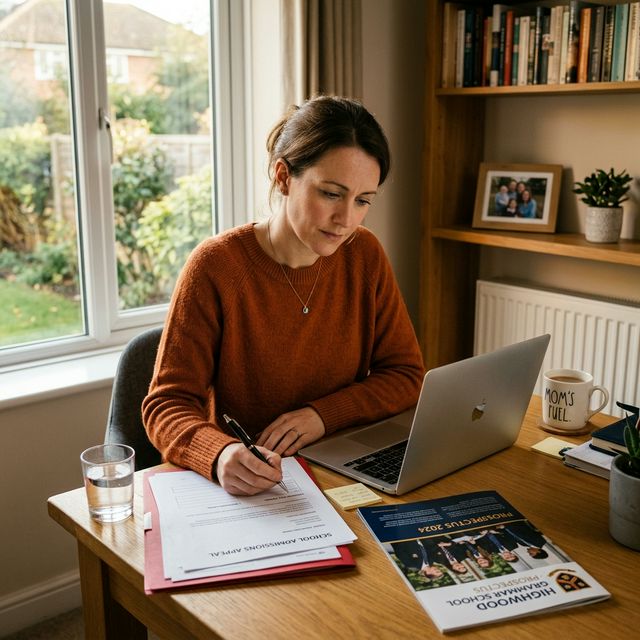
When Can You Appeal?
Every parent across the UK has the legal right to appeal when their child is refused a place at a state school. This isn't a vague entitlement buried in policy - it's a statutory right set out in the School Admissions Appeals Code. The law applies whether you're applying for Reception, an in-year transfer, or secondary school.
You can appeal for multiple schools simultaneously. Each appeal is heard independently, so applying for one school doesn't weaken your case at another. And you don't need a solicitor - the system is designed for parents to represent themselves, and the vast majority do exactly that.
The most common reason for refusal is that the school is full - it's reached its published admission number (PAN). This is the maximum number of children the school will admit to each year group, set in advance as part of the admissions arrangements. When a school receives more applications than it has places, it uses oversubscription criteria to decide who gets in. If your child doesn't meet those criteria, you'll receive a refusal letter.
For Reception, Year 1, and Year 2, the law limits infant classes to 30 children per qualified teacher. This makes appeals for these year groups significantly harder. The panel can only uphold your appeal if the admissions authority made a mistake, acted unreasonably, or your child was directly disadvantaged by the admissions arrangements. Nationally, fewer than 2% of infant class size appeals succeed. This doesn't mean you shouldn't appeal, but you should understand the higher bar.
Strong Grounds for Appeal
Appeals aren't decided on emotion - they're decided on evidence. The strongest cases typically involve one or more of the following. The admissions authority made an error in applying its own criteria - for example, measuring the distance to your home incorrectly, or failing to recognise a sibling link. The school's published admission number is artificially low and the school could accommodate more children without genuine prejudice to education. Your child has compelling medical, social, or educational needs that can only be met at this specific school, supported by professional evidence.
Arguments that carry less weight include general convenience, friendship groups, sibling attendance at a linked school (unless the admissions criteria specifically include this), or a preference for a school's ethos. The panel is looking for evidence that the prejudice to your child from not attending the school outweighs the prejudice to the school from admitting an additional child.
How the Appeals Process Works
The process is more structured than most parents expect, but less intimidating than it sounds. Here's what happens from the moment you receive your refusal letter.
Your refusal letter will tell you how to appeal and give you a deadline - usually 20 school days from the date of the letter for normal-round applications. You submit your appeal in writing, either online or by post. This is your opportunity to set out the grounds for your appeal and attach any supporting evidence. Take this stage seriously: while you can add new evidence later, the core of your case should be in this initial submission.
Once your appeal is lodged, the admissions authority (either the local authority or the school itself, depending on who controls admissions) must prepare their case statement. This document explains why the place was refused and why admitting another child would cause "prejudice" - a legal term meaning it would harm the school's ability to provide education. You'll receive a copy of this at least 10 school days before the hearing.
Read the admissions authority's case carefully. If they cite overcrowding, check whether the school has admitted over PAN in previous years. If they claim a fire safety limit, ask for the fire risk assessment. If the distance measurement seems wrong, measure it yourself using the same methodology described in the admissions criteria. These details matter - they're where successful appeals are often won.
What Happens at the Hearing
The appeal hearing is the centrepiece of the process. It's a formal meeting but not a courtroom - there are no wigs, no dock, and no cross-examination. You'll sit at a table with the panel, the admissions authority's representative, and a clerk. The whole thing typically lasts 20 to 40 minutes.
The panel consists of three independent members - at least one must be a lay person and at least one must have experience in education. These are volunteers, not council employees, and they're trained specifically for this role. A clerk manages the procedure but doesn't make the decision.
The hearing follows a two-stage structure. In Stage 1, the panel considers whether the admissions authority's case holds up. Did they apply the oversubscription criteria correctly? Is the PAN reasonable? Does admitting one more child genuinely cause prejudice? If the panel finds the admissions authority's case doesn't stand, your appeal is upheld automatically.
If Stage 1 is passed, the panel moves to Stage 2: a balancing exercise. They weigh the prejudice to the school from admitting another child against the prejudice to your child from not attending. This is where your personal case matters - your child's specific needs, circumstances, and why this particular school is important for them.
After the Decision
The panel's decision is binding on the admissions authority. If your appeal is upheld, the school must admit your child. You'll receive the decision in writing within five school days of the hearing, along with the panel's reasons.
If your appeal is not upheld, you still have options. You can remain on the school's waiting list - which is separate from the appeals process and continues to operate according to the oversubscription criteria. If a place becomes available (perhaps because another family declines), you could still be offered one.
You cannot appeal again for the same school in the same academic year unless there has been a significant change in circumstances - for example, a house move, a new medical diagnosis, or a change to the school's admissions arrangements. If you believe the appeals process itself was flawed (for example, procedural irregularities or bias), you can complain to the Local Government Ombudsman (for council-maintained schools) or the Education and Skills Funding Agency (for academies).
IPSEA (Independent Provider of Special Education Advice) offers free legal advice on admissions appeals, particularly where SEN is involved. The Coram Children's Legal Centre also has a free advice line. Both can help you understand your rights and prepare your case.
Note: This guide covers the admissions appeals process for state schools across the UK. The rules may differ for independent schools, schools in Wales, Scotland, or Northern Ireland, or for children with an Education, Health and Care Plan (EHCP), who have a separate appeals process through the SEND Tribunal.