The Childcare Challenge
For millions of working parents, the school day doesn't align with the working day. Schools typically open at 8:45am and close at 3:15pm, leaving significant gaps that need filling. Breakfast clubs and after-school care (together known as "wraparound care") are essential for many families, yet provision varies enormously from school to school.
What Are Breakfast Clubs?
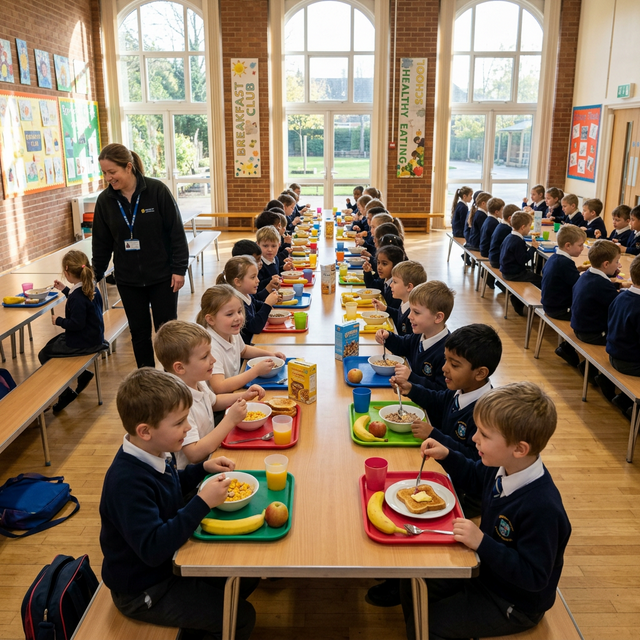
Breakfast clubs operate before the main school day, typically from 7:30am or 8:00am. Children are given a healthy breakfast, usually toast, cereal, fruit, and a drink, along with supervised activities until the school day begins.
The Benefits Go Beyond Convenience
Research consistently shows that breakfast clubs improve:
- Attendance, as children who attend breakfast clubs are less likely to be late or absent
- Concentration, because a proper breakfast improves focus and engagement in morning lessons
- Socialising, since children mix with peers from different year groups in a relaxed setting
- Wellbeing, particularly for families experiencing food poverty, where breakfast clubs ensure children start the day with a proper meal
The Government's Free Breakfast Club Pledge
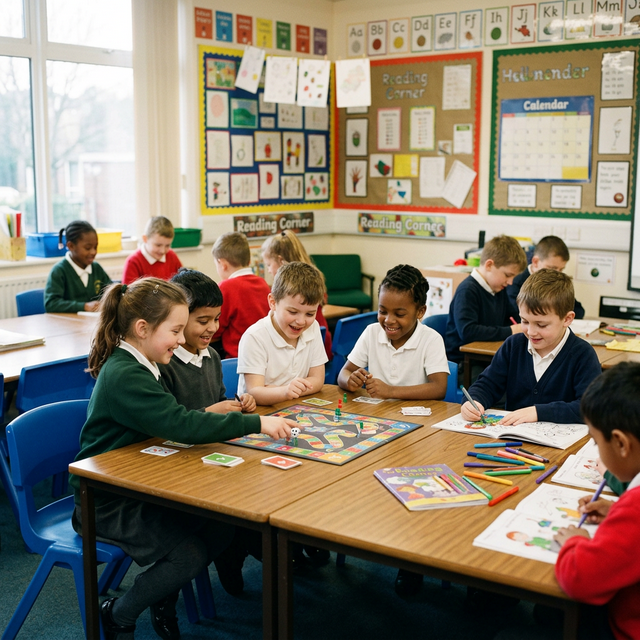
From 2025, the government has committed to offering free breakfast clubs in every primary school in England. This is a significant expansion of existing provision. Key details:
- Available to all primary-age children, not means-tested
- Schools will receive funding to run clubs from at least 30 minutes before the school day
- The offer includes a free healthy breakfast for every child who attends
- Schools can choose how to deliver the programme, but must meet national standards
However, implementation is being phased. Not all schools will have free provision from day one. Check with your school directly to find out when their free breakfast club will launch.
After-School Care
After-school provision is more varied and less regulated than breakfast clubs. Options include:
School-run after-school clubs
Many schools offer their own after-school activities, including sports, arts, music, and homework clubs, typically running until 4:30pm or 5:00pm. Some are free; others charge a modest fee (usually £3 to £8 per session).
On-site childcare providers
Some schools host independent childcare providers on their premises. These tend to offer longer hours (until 5:30pm or 6:00pm) and are usually paid, though you can use Tax-Free Childcare or Universal Credit childcare to help with costs.
Off-site after-school clubs
Independent providers may collect children from your school and take them to a nearby venue. Always check that the provider is Ofsted-registered and has appropriate insurance and safeguarding policies.

The Wraparound Childcare Programme
In addition to breakfast clubs, the government's wraparound childcare programme aims to ensure every primary school parent can access childcare from 8:00am to 6:00pm, either on-site or through partnerships with local providers.
This means:
- If your school doesn't run its own after-school club, it should be able to signpost you to a partner provider
- Local authorities have been given funding to coordinate provision across their area
- The aim is for all parents to have access to wraparound care by September 2026
How to Find Schools with Good Wraparound Care
When researching schools, wraparound care is often overlooked, but for working families it can be a deciding factor. Here's how to investigate:
1. Check the school's website
Most schools list their breakfast club and after-school club details on their website. Look for timings, costs, and any waiting lists.
2. Ask at open days
Don't be shy about asking practical questions at school open days:
- What time does breakfast club start?
- What time does after-school care finish?
- Is there a waiting list?
- What does it cost, and can I use Tax-Free Childcare?
3. Use What School
On What School, you can find enrichment and club information on each school's profile. This includes details about breakfast clubs, after-school activities, and other wraparound provision where the data is available.
4. Check Ofsted reports
Ofsted reports sometimes comment on the quality of before and after-school provision, particularly where it affects pupil wellbeing and readiness to learn.
Paying for Wraparound Care
Even where wraparound care isn't free, there's financial help available:
- Tax-Free Childcare: the government tops up your childcare account by 20%. For every £8 you pay in, the government adds £2. Available for children up to age 11. Register at childcarechoices.gov.uk.
- Universal Credit childcare element: if you're on Universal Credit, you can claim back up to 85% of childcare costs (up to £1,014 per month for two or more children).
- Childcare vouchers: if you're still in an existing voucher scheme (closed to new entrants since 2018), you can continue to use them.
What If Your School Doesn't Offer Wraparound Care?
If your school has limited before or after-school provision:
- Talk to the school. Express your interest. Schools respond to demand, and if enough parents ask, they may introduce or expand provision.
- Contact your local authority. They should have information about the wraparound childcare rollout in your area.
- Look at nearby providers. Childminders, out-of-school clubs, and community centres may offer suitable alternatives. Check they're Ofsted-registered.
- Consider informal arrangements. Some parents organise informal rota systems with other families. While this can work well, it doesn't provide the structured environment of a registered club.
The Bottom Line
Wraparound care isn't a luxury. For many families, it's a necessity. The good news is that provision is expanding rapidly, with free breakfast clubs becoming universal and after-school care becoming more widely available. When choosing a school, make sure to factor in the practical realities of the school day alongside academic performance, Ofsted ratings, and everything else.
Further Reading
- Does my child qualify for free school meals? covers eligibility for free meals
- Supporting your child through SATs has practical advice for Year 6
- How to choose the right primary school is our complete guide