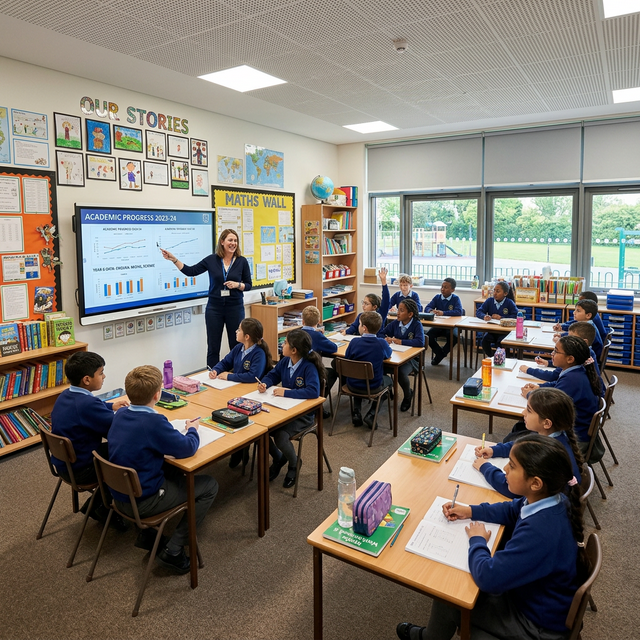
The End of Single-Word Grades
For years, parents have relied on a simple shorthand: Outstanding, Good, Requires Improvement, or Inadequate. These four words from Ofsted carried enormous weight, influencing house prices, admissions demand, and how schools were perceived in their communities.
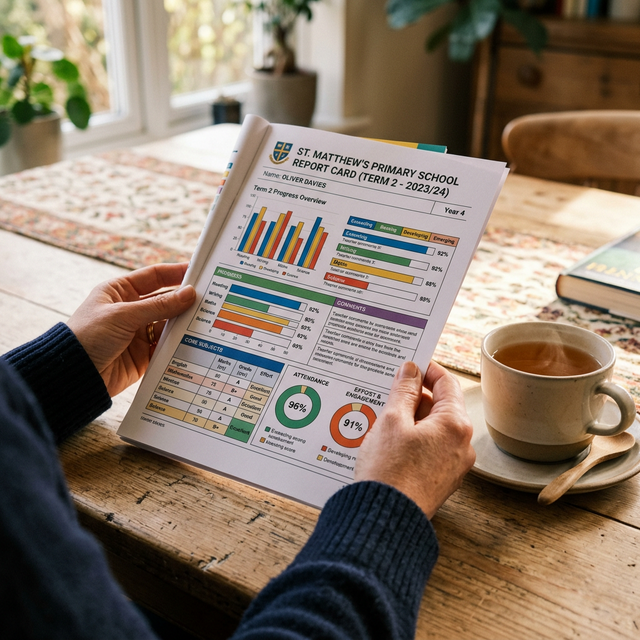
But from 2025, this system is being replaced. The government has confirmed that Ofsted will move to a multi-category report card system, giving parents a much richer picture of what a school is actually like.
What Will Report Cards Look Like?
Rather than a single headline grade, each school will receive assessments across multiple dimensions. While the final format is still being refined, the key areas are expected to include:
- Quality of education, covering how well the curriculum is designed and taught
- Pupil behaviour and attitudes, including attendance, engagement, and conduct
- Personal development, covering broader opportunities like clubs, trips, PSHE, and character development
- Safeguarding, assessing whether the school keeps children safe
- Leadership and management, evaluating how effectively the school is led
Each of these areas will receive its own assessment, rather than being collapsed into a single word.
Why the Change?
The move has been driven by several concerns about the old system:
1. Oversimplification
A single word cannot capture the complexity of a school. A school might have excellent teaching but struggle with attendance. Under the old system, the headline grade could mask important nuances.
2. High-stakes pressure
The difference between "Good" and "Requires Improvement" could define a school's reputation for years. Head teachers reported enormous stress around inspections, and the binary nature of the grading contributed to a culture of anxiety rather than improvement.
3. International precedent
Countries like Canada (Ontario) and jurisdictions like New York City already publish detailed school profile reports rather than single grades. Research suggests these give parents and communities better information for decision-making.
How to Read a Report Card
When report cards are published, here's how to make the most of them:
Look at what matters to your family
Not every category will be equally important to every parent. If extra-curricular activities are a priority, focus on the personal development section. If you're concerned about class behaviour, look at behaviour and attitudes.
Compare like with like
A small rural primary and a large urban academy face very different challenges. Report cards will make it easier to see where a school excels relative to its context.
Check the date
Report cards will still be based on inspection visits, so check when the school was last inspected. A lot can change in a few years.
Use alongside other data
Report cards work best when combined with hard data such as KS2 results, attendance figures, financial information, and workforce statistics. What School brings all of this together on every school profile, so you can cross-reference the report card findings with the numbers.
What This Means for School Choice
For parents currently choosing a school, the transition period may feel uncertain. Some schools will still have old-style grades, while newer inspections will use the report card format. Here's what to keep in mind:
- Don't panic about existing grades. A school rated "Good" under the old system hasn't suddenly changed. The report card system is designed to provide *more* information, not to penalise schools.
- Look beyond the label. Even under the current system, the full Ofsted report (not just the headline grade) contains valuable detail. Read the sections on teaching, curriculum, and safeguarding.
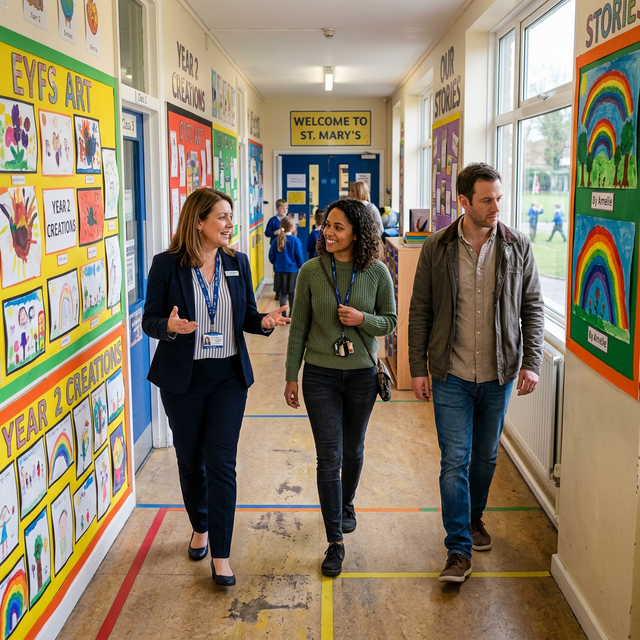
- Visit the school. No report card or data point can replace the experience of walking through a school, talking to staff, and seeing how children interact.
The Bigger Picture
The shift to report cards reflects a broader trend in education accountability: moving from judgement to transparency. Instead of asking "Is this school good or bad?", the new system asks "What is this school like across multiple dimensions?"
For parents, this is good news. More information means better decisions. And when combined with the performance data, attendance statistics, and financial information available on What School, you'll have everything you need to find the right school for your child.
Further Reading
- Understanding Ofsted report cards is our detailed guide to the new format
- How to read school performance data covers making sense of KS2 and GCSE results
- How to choose the right primary school is our step-by-step guide